For Healthcare
A clean bill of health for every hospital.
Noda works as a virtual building engineer across hospitals and health systems, cutting energy costs and emissions and catching faults in critical systems before they lead to failures.
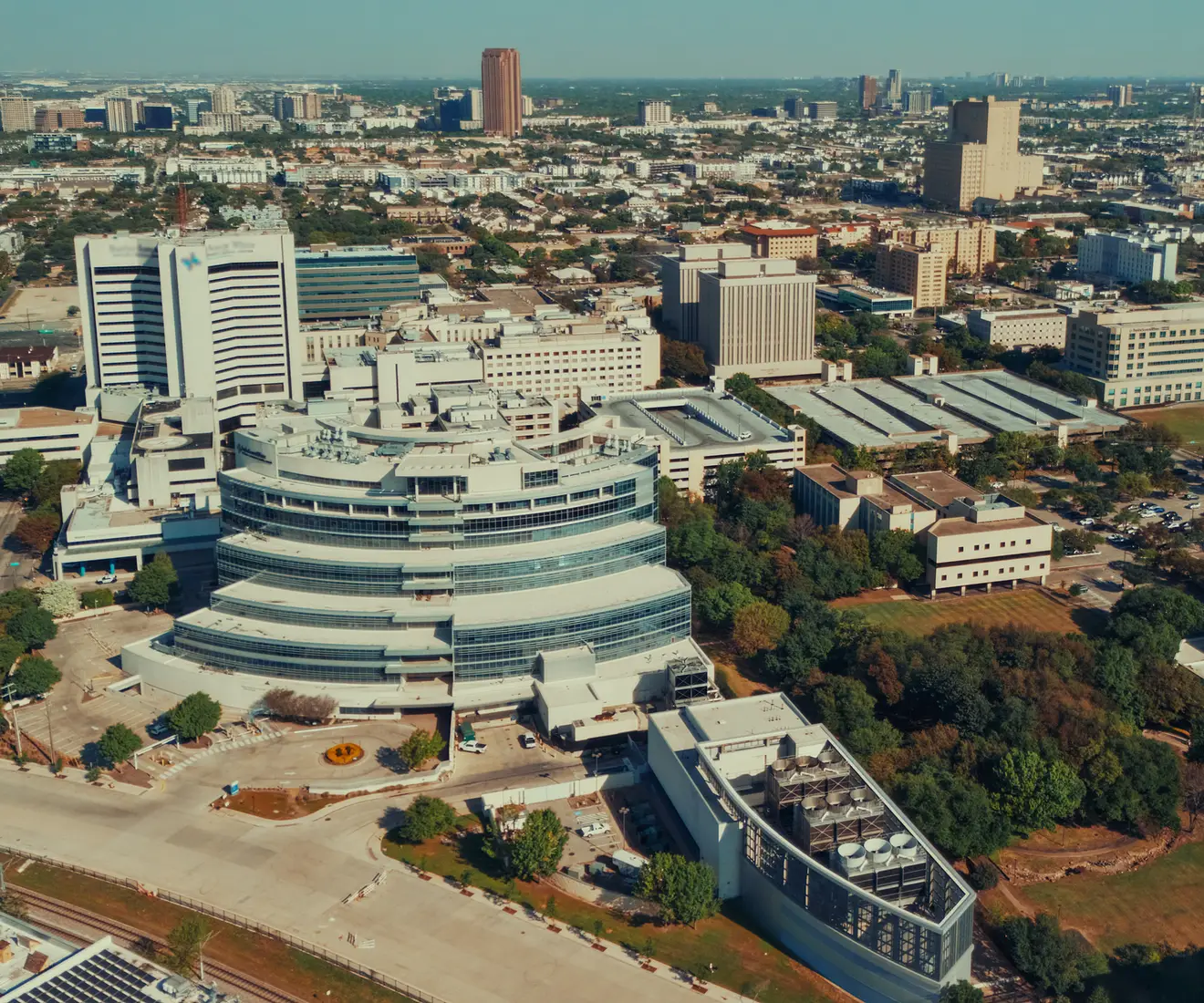
More of the budget back to patient care.
Noda lowers utility spend across hospitals, outpatient clinics, and medical office buildings, analyzing every site around the clock.
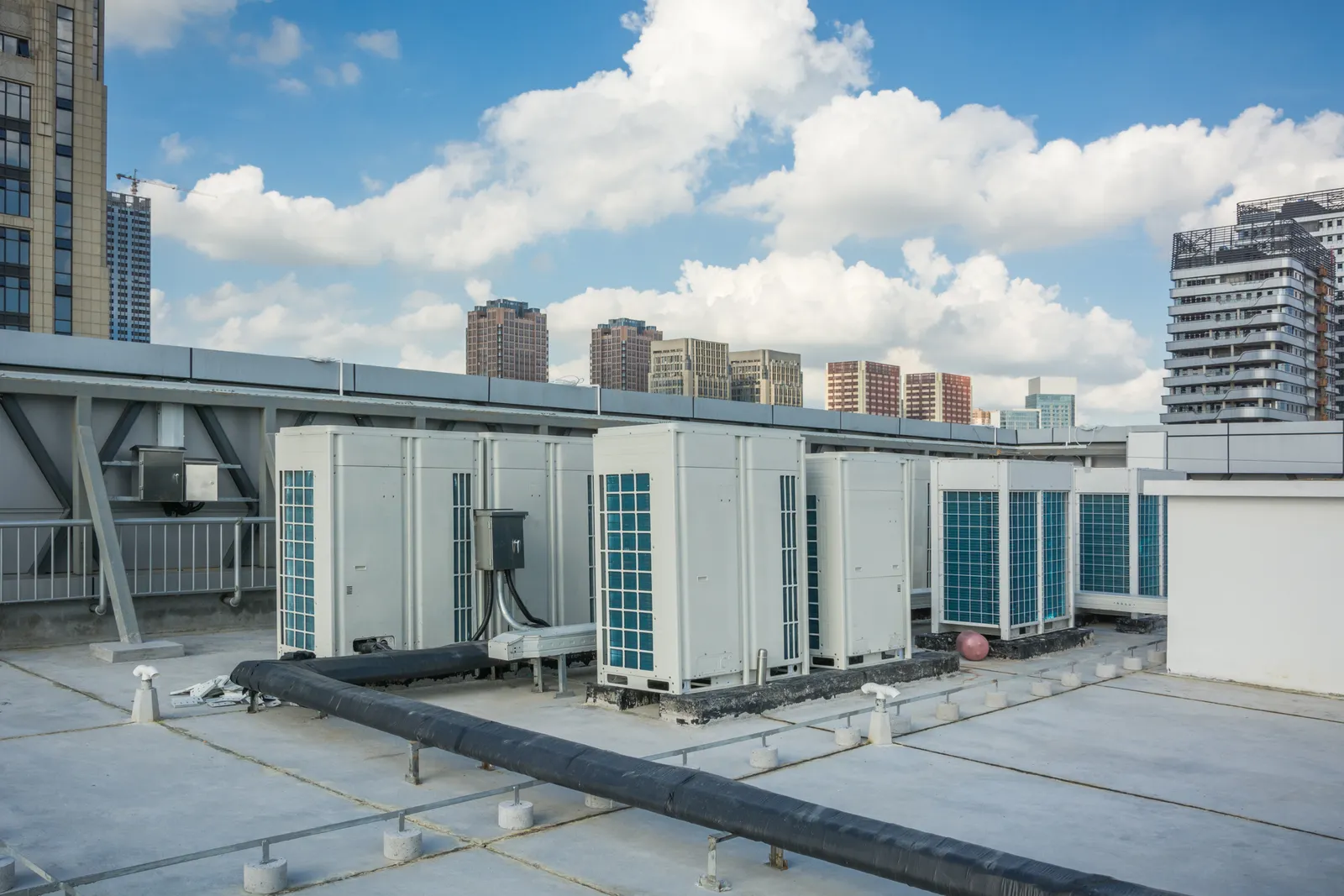
Bring chillers back to their design efficiency.
Hospital chiller plants run around the clock, and a chiller drawing more power per ton than its design figure costs money every hour. Noda's AI agents trace the gap to causes such as a fixed condenser water setpoint and write up each fix as a Project carrying its estimated annual savings.
Explore the Intelligence Layer- CH-1Design 0.58 kW/ton0.71 kW/ton
- CH-2Design 0.58 kW/ton0.78 kW/ton
- CH-3Design 0.58 kW/ton0.66 kW/ton
Lower HVAC costs across campus buildings.
Hospitals condition large volumes of outside air and reheat much of it at the zone. Noda finds heating that no space needs, from preheat valves leaking by to heat recovery running below its expected effectiveness.
Explore the platform- AHU Heat Recovery Lower than OptimalAHU-7 · Patient towerHigh
- Preheat Valve LeakbyAHU-3 · Outpatient pavilionMedium
- VAV Unnecessary HeatingVAV-214 · Administration buildingMedium
- Hot water differential pressure optimization opportunityHW Plant · Central plantLow
One view across the whole health system.
Health systems run regional hospitals, outpatient clinics, and medical office buildings, with a mix of BMS vendors and equipment ages, often inherited through mergers. Noda brings every site into one model and one Project list, so facilities leaders can see which campuses hold the largest savings and where to send engineers first.
Explore Command Center| Title | Building | Priority | Status | Impact |
|---|---|---|---|---|
| Optimize CW setpoint CW Plant | Kestrel Ridge Medical Center | High | Needs Acceptance 0/3 Tasks | $48,260/yr |
| Balance chiller loading CH-1, CH-2 | Halloway Medical Center | High | In Progress 1/3 Tasks | $17,940/yr |
| Restore heat recovery AHU-7 | Kestrel Ridge Medical Center | Medium | In Progress 2/4 Tasks | $21,380/yr |
| Lower static pressure AHU-2 | Kestrel Ridge North | Medium | Completed 2/2 Tasks | $9,420/yr |
| Restore schedule AHU-1 | Halloway Medical Plaza | Low | Needs Acceptance 0/2 Tasks | $3,870/yr |
Measure progress on Scope 1 and 2 targets.
Cuts to boiler and steam use count toward Scope 1, and electricity savings toward Scope 2. Noda measures each completed Project against a weather-adjusted baseline and totals the reductions by hospital and across the system.
See Noda for sustainability teamsProtect critical equipment
Noda flags chillers that are short cycling or unevenly loaded, so engineers can step in well before a failure.
Audit-ready records
Trend data, Insights, and completed Projects stay on record for energy audits, benchmarking, and ESG disclosures.
Expert support on demand
Noda's Building Systems Engineers back facilities teams with analysis and setup alongside Noda's AI agents.


Works with the systems you already use.
Noda reads each hospital's BMS over BACnet/IP, Modbus, or MQTT through the Noda LaunchPad, a secure on‑premises gateway, and needs no new sensors.
We now have clarity and control over our systems. What used to be guesswork is now guided by real data.
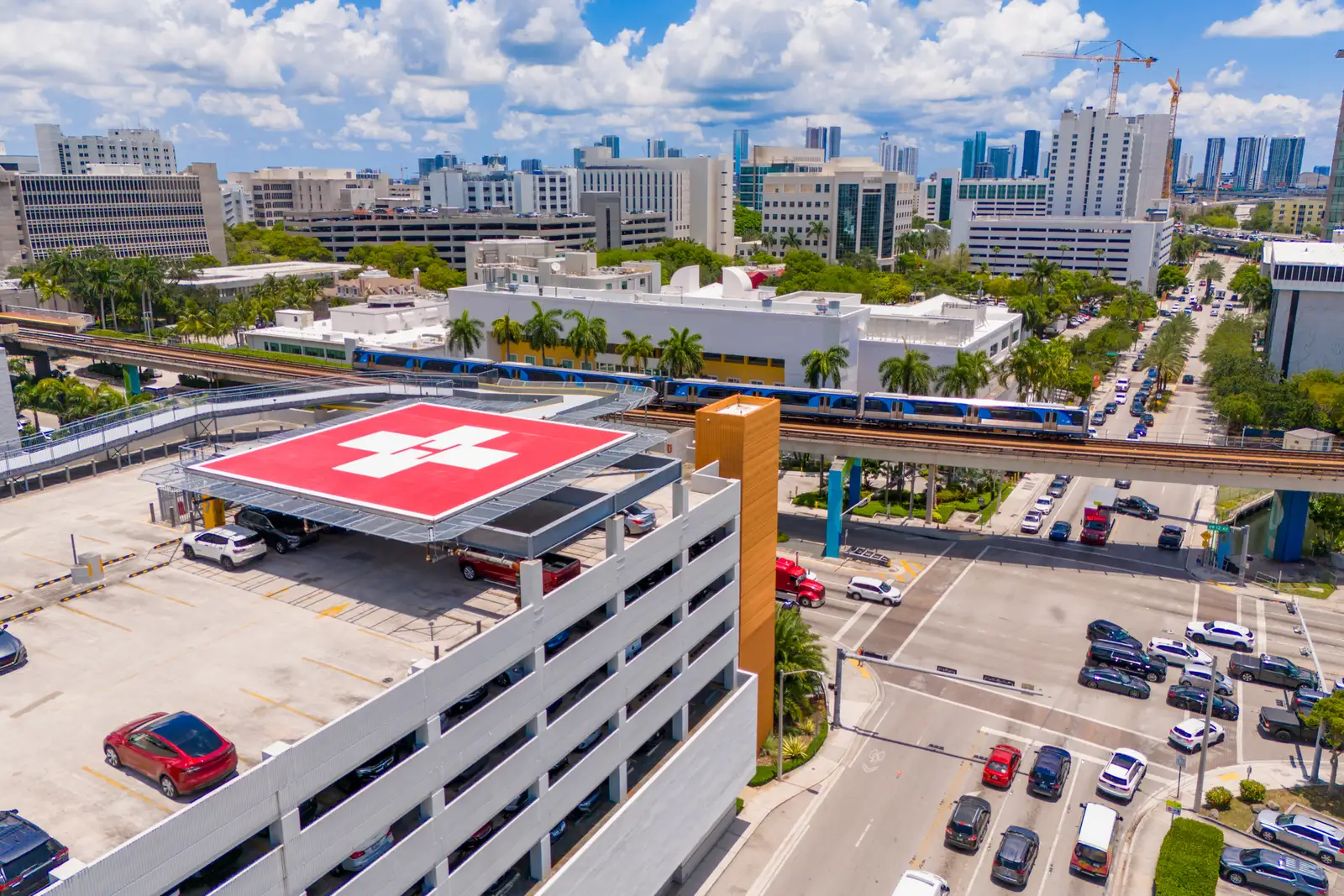
Plant and air-side results from Noda customers
$256,000 in annual savings from a 32% jump in plant efficiency.
What Noda DiagnosedA new MLB stadium — with the largest single-panel retractable roof in the world — ran its condenser water plant at a fixed supply temperature, forcing chillers into low-efficiency operation with cooling tower fans pegged at 100%. A dynamic CWST reset tied to outside air conditions dropped plant efficiency from 0.91 to 0.59 kW/ton, a 32% gain.
Related reading


Frequently asked questions
Can Noda work in a hospital that runs 24/7?
Yes. The Noda LaunchPad, a gateway on the hospital network, reads the trend data the BMS already records. Installation needs no shutdown, and the BMS keeps its existing programming.
Will Noda change ventilation in operating rooms or isolation rooms?
Noda's recommendations go to the hospital's facilities team, and the team decides which to accept. Air change rates and pressure relationships in clinical spaces stay with the hospital's engineering and infection prevention teams.
Does Noda need access to patient data?
No. Noda connects to building management systems, meters, and utility data, and none of those sources hold patient records.
Does Noda cover clinics and medical office buildings too?
Yes. Outpatient clinics and medical office buildings sit in the same model as the hospitals. Many keep regular hours, so Noda also checks their air handlers against occupancy schedules.
AI that's always on call.
Continuous analysis for every site in a health system, every shift.
Get a demo