For Hospitality
Five-star operations for every hotel.
Noda works as a virtual building engineer across hotel portfolios, cutting utility costs while guests stay comfortable.

Full-service coverage with AI.
Noda's AI agents cover central plants, air handlers, and common areas around the clock, lowering energy and repair costs at resorts and large hotels.
Six-figure savings, hiding in the plant room.
Noda's AI agents find plant changes like chiller staging and pump pressure resets, and write each one up as a Project. None of them needs new equipment.
Explore the Intelligence Layer- Optimize chiller stagingCH-1, CH-2$41,360
- Raise chilled water plant delta TCH-1$38,920
- Reduce overpumpingCHWP-2$27,480
- Lower CHW pump DP setpointCHWP-1$19,830
Common spaces run only when they're in use.
Ballrooms, meeting rooms, and restaurants sit empty for long stretches while their air handlers often keep running. Noda flags units running while their spaces are scheduled unoccupied, so engineers can match operations to how each space is used.
Explore the platform- AHU In Occupied Mode While Scheduled UnoccupiedAHU-B1 · Grand BallroomHigh
- Fan on while AHU UnoccupiedAHU-M2 · Meeting roomsMedium
- Optimum start opportunityAHU-R1 · RestaurantMedium
- Fan on while AHU UnoccupiedAHU-S1 · SpaLow
Keep faults from becoming failures.
A chiller that fails outright costs many times more than fixing the cause. Noda flags short cycling, uneven loading between chillers, and power drawn above prediction while the fix is still a controls change.
Read the fault detection guideLean teams, every hotel covered.
Engineers covering several hotels get Tasks written by Noda's AI agents, and each one can go straight to the work order system the team already uses.
Explore Command CenterGrow NOI and asset value
Each fix Noda scopes is an operational change that needs no capital, so utility savings flow straight to NOI and property value.
Hit carbon targets
Noda measures each completed Project against a weather-normalized baseline, so hotel brands can count verified reductions toward their Scope 1 and 2 commitments.
No rip and replace
Noda works with each hotel's existing building management system through the Noda LaunchPad, whatever the vendor or the property's age.
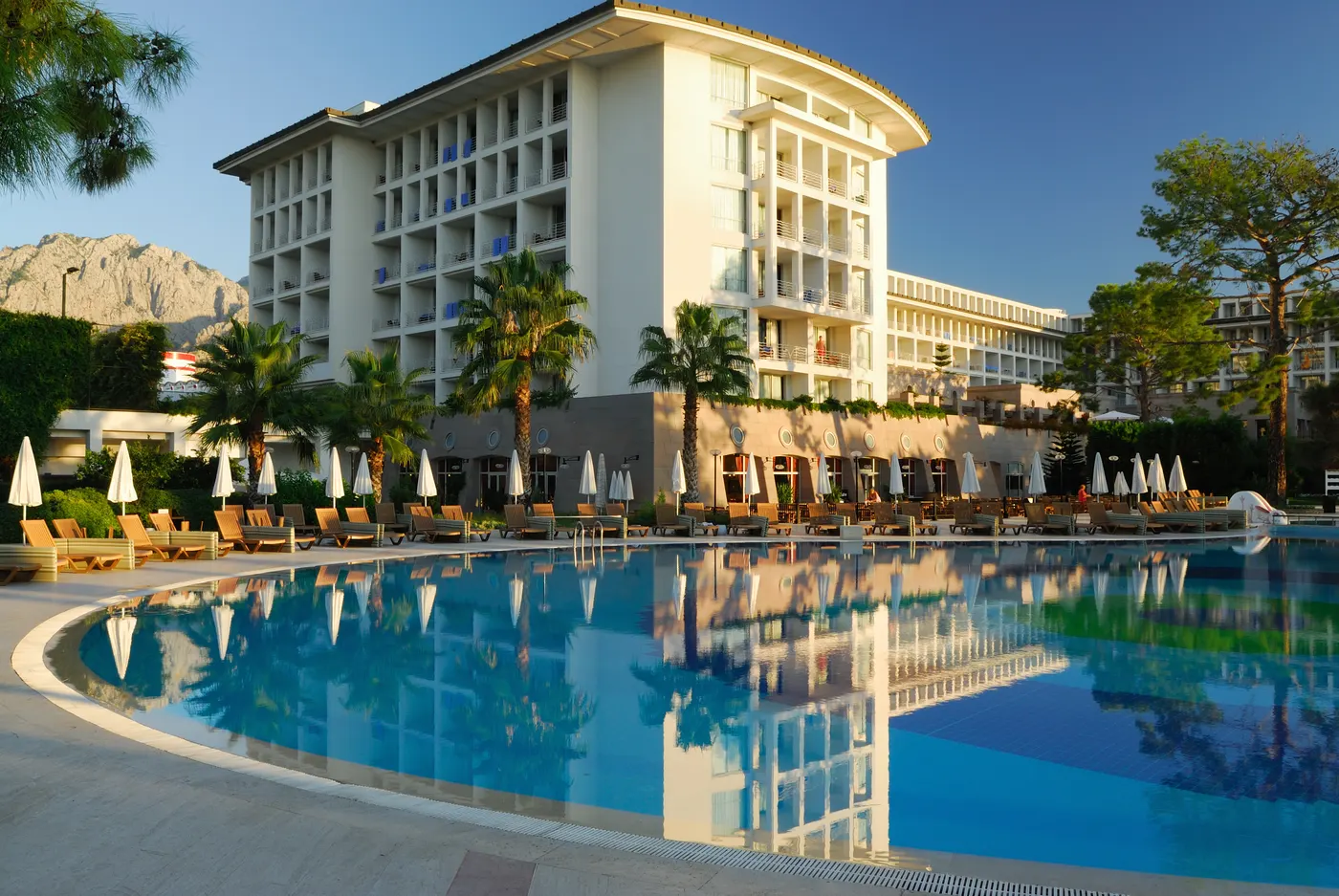
One platform for owners and operators.
Higher NOI and asset value across a hotel portfolio, with no added engineering headcount.
- One view of performance across brands, regions, and BMS vendors.
- Savings measured at each property and rolled up across the portfolio.
- Energy and emissions reductions measured for investor and ESG reporting.









Works with the systems you already use.
Noda connects to the building management systems hotels already run, and to anything supporting BACnet/IP, Modbus, or MQTT, through the Noda LaunchPad, a secure on‑premises gateway.

Hilton has witnessed a 10 percent utility reduction across the portfolio of properties where it has deployed Noda, and is leveraging this partnership to achieve its ‘Travel with Purpose’ commitment.
- Portfolio
- 9,200+ hotels
- Presence
- 27 brands · 144 countries
- 2030 Goal
- 75% emissions intensity ↓

Proven at resorts and beyond
$132,000 saved, and one chiller protected from catastrophic failure.
What Noda DiagnosedA SoCal luxury hotel ran its chilled water plant at a 34 psi DP setpoint, causing surging on Chiller 2 that threatened the same catastrophic failure that had cost $270K on Chiller 1. Reducing the setpoint to 17 psi stopped the surging and dropped both pump speeds 25%.
Related reading


Frequently asked questions
Will guests notice any change?
Noda's Projects change how equipment runs behind the scenes, such as a pump's pressure setpoint or an air handler's schedule, and an engineer reviews each one before accepting it. Fault detection keeps watching the spaces each unit serves once the work is done.
We don't have an engineer at every hotel around the clock. Does Noda still work?
Yes. Noda's AI agents analyze each property's data continuously, whether or not anyone is on site, and Command Center gives a regional engineer one ranked list across the hotels they cover.
Our hotels never close. Where do the savings come from?
From how equipment runs while the property is open. Noda's Projects adjust pump differential pressure setpoints, take extra pumps out of sequence where a plant is overpumping, reset condenser water setpoints, and tune boiler operation, alongside the faults that waste energy every hour of the day.
We operate hotels across several brands. Does that matter?
No. Noda's Independent Data Layer maps each property's equipment onto one normalized model, whatever the brand standard, BMS vendor, or building age, so a regional team reads every hotel's data the same way.
Do we need to install anything at each hotel?
Each property gets the Noda LaunchPad, a secure gateway that reads the data its BMS already trends. No new controls or sensors are needed, and the BMS isn't reprogrammed.
How are savings proven to owners?
Each completed Project is measured against a counterfactual baseline adjusted for weather and occupancy, and the measured savings roll up by property and across the portfolio.