For Higher Education
A+ operations for every campus.
Noda's AI agents analyze campus buildings around the clock, cutting energy spend and emissions without adding to facilities teams' workload.
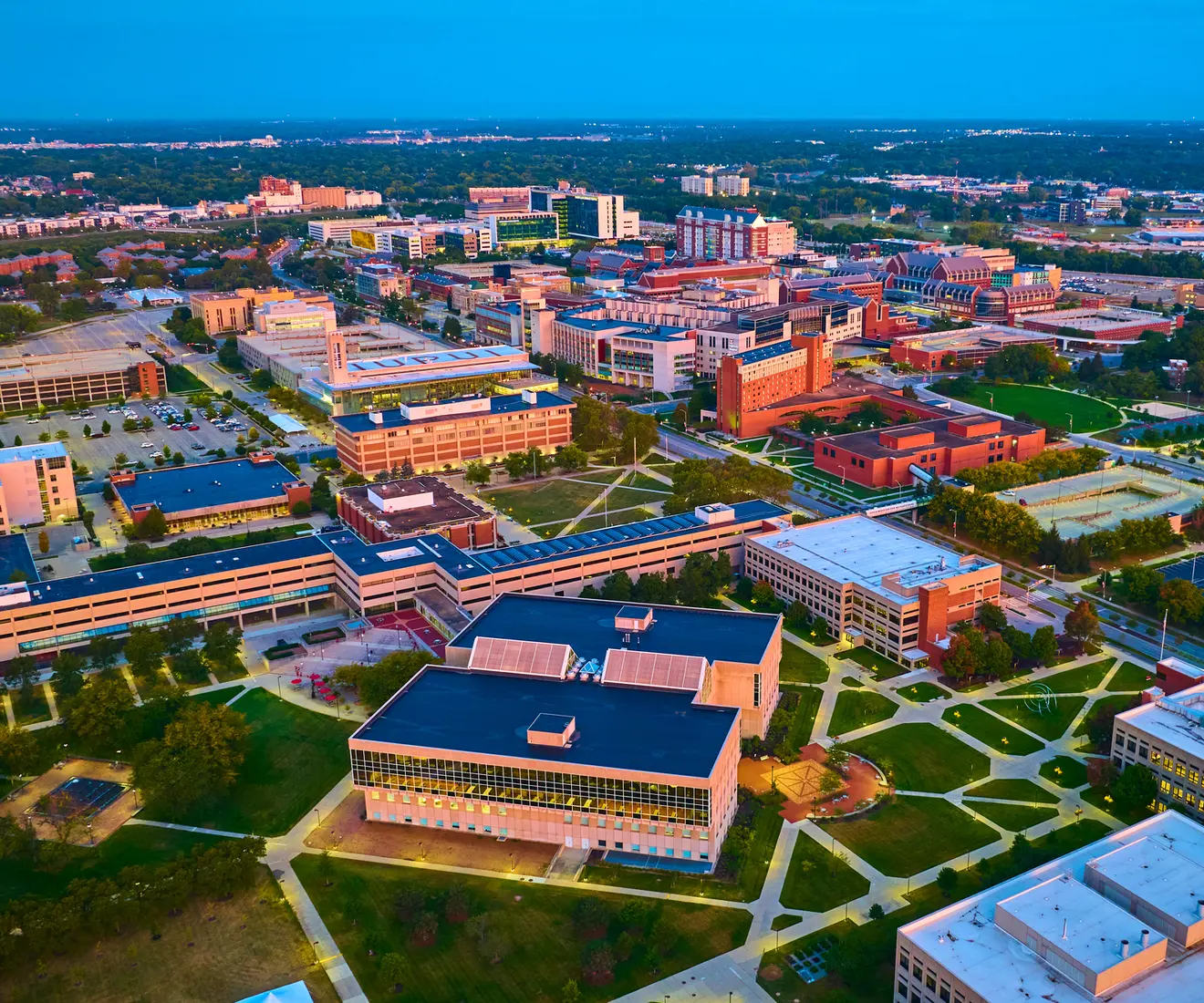
Lower costs, faster progress on climate goals.
Noda finds savings in labs, residence halls, and central plants, and documents each reduction for public sustainability commitments.
Find savings in every building on campus.
Noda's AI agents find energy waste in libraries, residence halls, labs, and recreation centers, from over-ventilating air handlers to leaking valves, and write up each fix as a Project.
Explore the Intelligence Layer- AHU Over VentilatingAHU-2 · Engineering Research CenterHigh
- Duct Static Pressure Reset OpportunityAHU-1 · Whitcombe LibraryMedium
- Discharge Air Temperature Reset OpportunityAHU-3 · Linden HallMedium
- Valve leakbyAHU-1 · Calder Recreation CenterLow
More efficient central plant operations.
When most air handlers on a campus loop run with their chilled water valves well under 75% open, the plant is making colder water than buildings need. Noda spots the pattern across buildings and recommends a supply temperature reset at the plant.
Explore the Independent Data Layer- Whitcombe LibraryAHU-1 · CHW valve41% open
- Linden HallAHU-2 · CHW valve36% open
- Science Complex NorthAHU-3 · CHW valve58% open
- Calder Recreation CenterAHU-1 · CHW valve47% open
Focus facilities teams where it matters most.
Noda gathers every open Project across campus into one list, ranked by priority and then by savings, so a small team starts with the highest-value work.
Explore Command CenterReport verified progress toward sustainability goals.
Realized savings, energy, and emissions from completed Projects roll up by building and across campus, ready for sustainability reports.
Explore the platformNo capital required
Noda's fixes are changes to setpoints and control sequences, so savings start without a capital request or a budget cycle.
Ease the backlog
Noda catches equipment faults while they're still small, before they join the deferred maintenance list.
One view across buildings
Libraries, labs, residence halls, and recreation centers sit in one model, whatever their age.


Works with the systems you already use.
Noda connects to campus building management systems over BACnet/IP, Modbus, or MQTT through the Noda LaunchPad, a secure on‑premises gateway.
Noda is much easier to visualize and use than our legacy system. It’s more intuitive and helps us make faster decisions.
Projects and the savings they delivered
$26,476 in annual savings (and an AHU that sleeps when the building does).
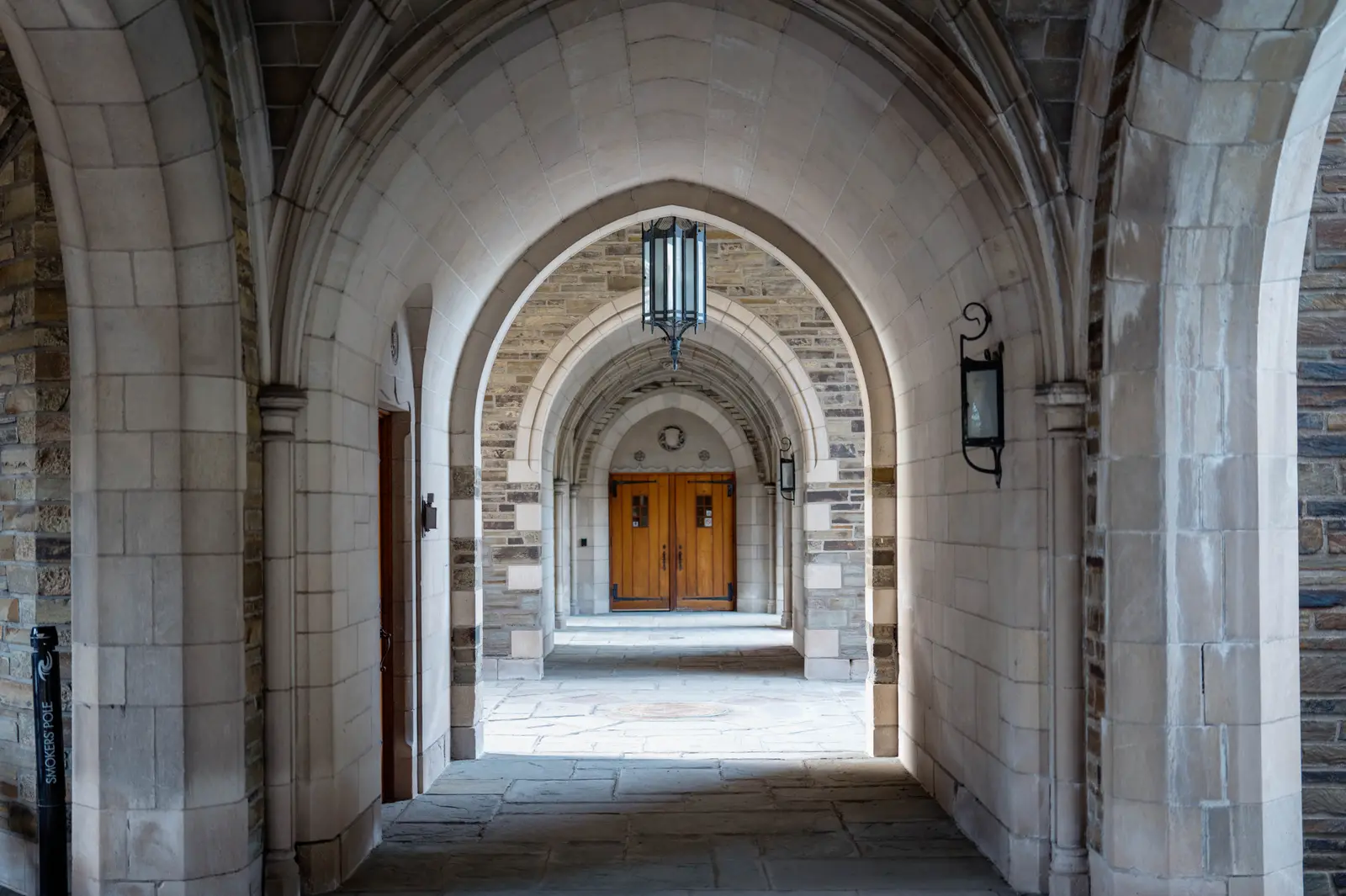
What Noda DiagnosedA Northeast college psychology building had AHU-4 running effectively 24/7 because a buried BMS override kept the unit on whenever any lab or classroom light was. Rewriting start/stop logic to trigger on downstream VAV occupancy dropped runtime from 24 hours per day to 5.3, a 67% cut.
Related reading


Frequently asked questions
Does Noda work with a central plant that serves many buildings?
Yes. Noda models the plant and the buildings it serves together, so conditions on the building side, such as valve positions across air handlers, can point to a change at the plant.
Can Noda handle labs and other high-ventilation spaces?
Noda analyzes the air handlers serving lab buildings like any others, flagging over-ventilation, static pressure, and valve faults. Decisions on lab ventilation rates stay with the university's facilities and environmental health and safety teams.
We have a deferred maintenance backlog. Where does Noda fit?
Most of Noda's fixes are controls changes an in-house team can make, and each carries a savings estimate, which helps facilities leaders decide what to tackle first.
What hardware does Noda need on campus?
The Noda LaunchPad, a gateway on the campus network, reads the trend data each BMS already records. No new sensors are needed, and the BMS keeps its existing programming.
How are savings verified for sustainability reporting?
Noda compares each completed Project's energy use with a baseline adjusted for weather and occupancy, so the reduction it reports reflects the change itself.
AI that never takes a summer break.
Continuous analysis across campus buildings, in session or not.
Get a demo